

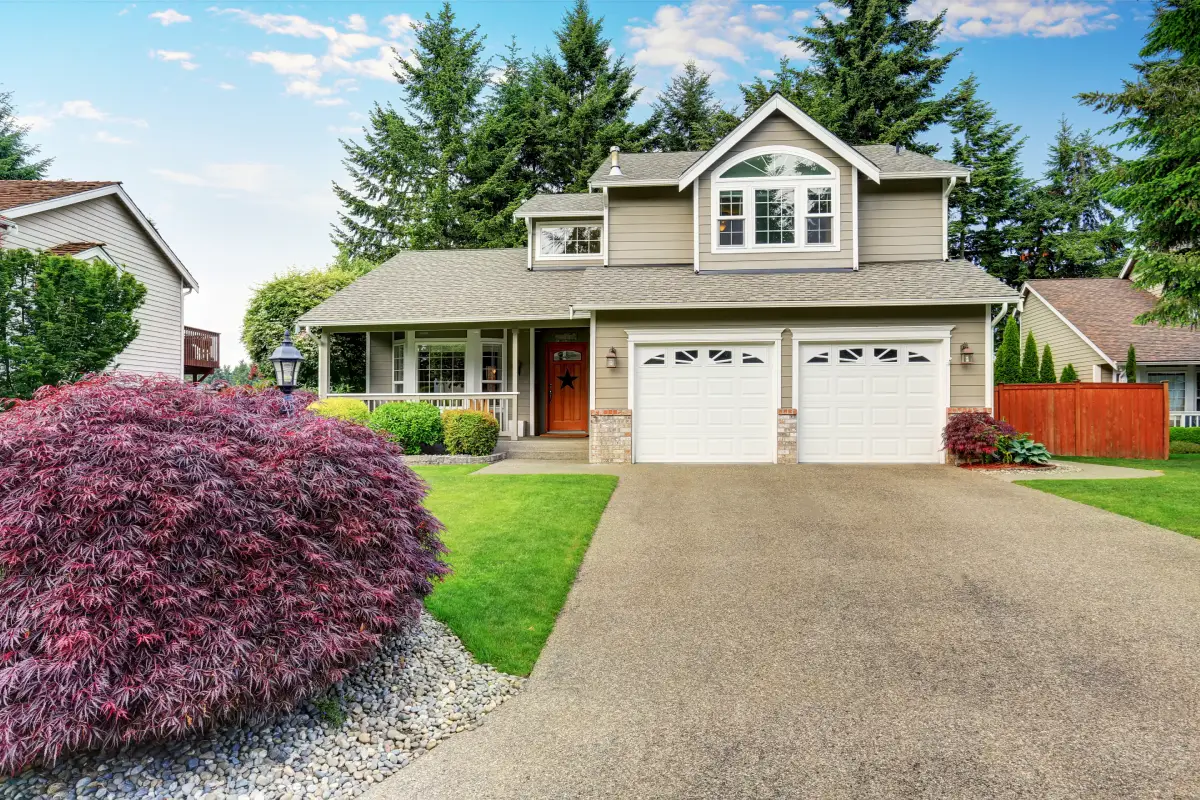
Early on, rental ownership can feel surprisingly manageable. Then small decisions begin to stack up. Timing a repair suddenly affects tenant satisfaction, rent adjustments carry more weight, and long-term planning starts to demand clearer direction. In Raleigh, many residential owners reach this point while checking real numbers and pulling a quick rental snapshot to see how their property is actually performing, not just how it feels.
At PMI Raleighwood, we work strictly with residential rentals, and we’ve seen how single-family homes often bring a steadier rhythm to ownership. Below, we break down why detached homes in Raleigh continue to support smoother operations, steadier pricing, and more flexible long-term strategies than multifamily properties.
Key Takeaways
- Single-family homes reduce daily disruptions by limiting shared spaces and overlap.
- Outdoor space and flexible layouts help tenants stay longer in Raleigh neighborhoods.
- Pricing decisions feel steadier without internal unit competition.
- Maintenance planning stays clearer when systems serve one household.
- Growth paths align more naturally with single-family residential ownership.
Lower Density Changes the Daily Experience
Many management challenges stem from shared environments. Single-family homes remove much of that complexity from the start.
Privacy limits recurring issues
Multifamily properties combine multiple households with shared walls, parking areas, and common spaces. That setup increases the likelihood of noise complaints, parking disputes, and repeated communication. Detached homes eliminate most of those overlap points, allowing issues to stay isolated and easier to resolve.
Communication stays simpler
With one household per property, conversations tend to be more direct and less frequent. That simplicity helps owners maintain consistency rather than constantly reacting to layered concerns tied to shared amenities.
Outdoor Space That Encourages Longer Stays
Raleigh renters often look for space that fits everyday routines, and private outdoor areas play a meaningful role in how settled a home feels.
Yards, patios, and private entryways allow tenants to enjoy the property without shared rules or scheduling. That flexibility supports comfort and reduces the friction that often comes with communal spaces.
Outdoor features commonly support retention by offering:
- Pet-friendly appeal: Private yards attract renters who prefer longer leases.
- Lifestyle flexibility: Space for hobbies, gatherings, or quiet downtime adds daily value.
- Ease of access: Dedicated parking and private entrances remove shared-area stress.
When tenants feel comfortable settling in, renewals become more likely and turnover slows.
Layouts That Adjust as Life Changes
Single-family homes often remain functional through different life stages, which supports occupancy stability.
Space that adapts naturally
Extra bedrooms, bonus rooms, and garages give tenants options. Whether the need is a home office, guest space, or room for a growing household, flexible layouts reduce the pressure to relocate.
Stability through adaptability
Many multifamily tenants move because the unit no longer fits their needs. Detached homes can adjust more easily, which often leads to longer lease terms and steadier rental income.
Owners who value predictability often pair layout flexibility with organized financial records to keep income and expenses aligned as circumstances change.
Pricing Confidence Without Internal Competition
Pricing behaves differently for single-family rentals, and that difference matters in Raleigh’s active housing market.
Multifamily pricing shifts quickly
In multifamily buildings, one vacancy can pressure pricing across several units at once. Concessions and rapid adjustments become common, which complicates forecasting.
Neighborhood-based pricing offers control
Single-family homes compete with nearby rentals rather than identical units in the same building. Factors like condition, lot size, parking, and updates allow owners to price based on value instead of internal comparisons.
National trends reinforce this demand. The National Association of Realtors reported the median existing single-family home price reached $426,800 in the third quarter of 2025, reflecting sustained interest in detached housing.
Zillow has also reported that single-family rents remain 20% higher than multifamily rents, showing that renters consistently place a premium on space and privacy.
Maintenance Planning That Stays Predictable
Maintenance never disappears, but single-family homes often make it easier to manage.
Repairs stay contained
In multifamily properties, plumbing or HVAC issues can affect multiple units and require coordinated access. In a single-family home, repairs usually involve one household, which simplifies scheduling and scope.
Budgeting feels more reliable
Isolated systems make it easier to forecast costs and plan reserves. Owners can prioritize upgrades without worrying about shared infrastructure triggering unexpected expenses.
Some Raleigh owners also weigh maintenance costs alongside financing considerations, especially when reviewing numbers with a quick mortgage estimate before making longer-term decisions.
Risk Planning With Fewer Layers
Risk considerations often feel more straightforward with detached homes.
Clear responsibility boundaries
Single-family rentals involve fewer shared areas, which reduces ambiguity around liability. One household, one entrance, and one yard make expectations easier to define and maintain.
Added peace of mind
With fewer moving parts, risk assessments often stay focused on the property itself rather than layered exposure tied to common amenities. Many owners value added certainty that comes with clearly outlined service protections, especially as portfolios grow.
Growth That Matches Real Ownership Pace
Single-family investing often scales in a way that mirrors how owners actually expand.
Expansion can stay gradual
Instead of adding multiple units at once, owners can grow one property at a time. This approach allows experience from one home to guide the next, which works well across Raleigh’s diverse neighborhoods.
Flexibility at exit
Detached homes often appeal to both investors and owner-occupants. That broader buyer pool can matter when market conditions shift or personal goals change.
Owners preparing for future transitions often keep an eye on broader ownership options through their owner resources as part of long-term planning.
FAQs about Single Family Homes in Raleigh, NC
What features make single-family homes stand out to Raleigh renters?
Renters often gravitate toward features like private entrances, dedicated parking, and usable outdoor space. These elements offer daily convenience and privacy that are harder to find in higher-density housing options.
How do single-family rentals fit Raleigh’s growing work-from-home population?
Detached homes usually provide extra rooms or flexible layouts that support home offices. This adaptability appeals to renters who need quiet, separation, and space to maintain consistent work routines.
Are lease renewals more predictable with single-family homes in Raleigh?
Renewals can be more consistent because the homes accommodate lifestyle changes more easily. When tenants don’t feel constrained by space, they’re less likely to relocate when needs evolve.
What operational differences should owners expect with single-family rentals?
Single-family homes typically involve fewer shared systems and common areas, which can simplify maintenance coordination, reduce recurring issues, and make day-to-day oversight feel more manageable.
How does Raleigh’s neighborhood layout influence single-family rental demand?
Demand often increases in areas with convenient access to schools, employment corridors, and local amenities. Single-family homes perform well where renters can balance neighborhood comfort with daily accessibility.
Long-Term Confidence for Raleigh Residential Investors
Steadier ownership often comes from reducing avoidable friction. Properties that limit shared spaces, support flexible living, and keep maintenance predictable tend to create fewer disruptions and clearer decisions. In Raleigh, that balance allows owners to focus on outcomes instead of constant adjustments.
At PMI Raleighwood, we help residential owners move forward with confidence and clarity. When you’re ready to take the next step, shape your long-term rental plan by connecting with PMI Raleighwood through our buyer services.